
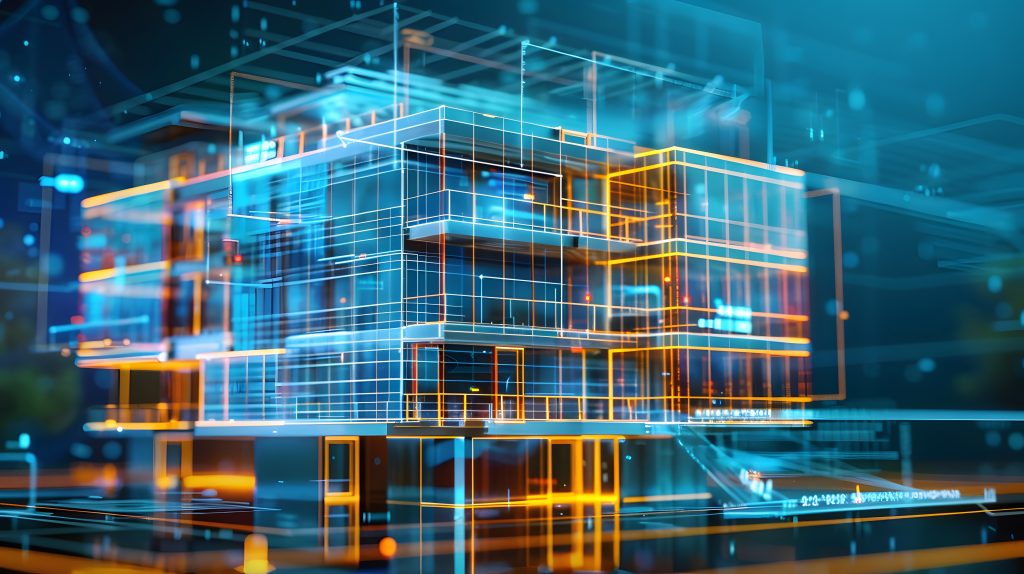
BIM and digital twins are moving beyond standalone technology projects to become strategic tools for managing property portfolios, controlling operating costs and protecting long-term asset value.
From Digital Models to Better Decisions
Building Information Modelling (BIM) is no longer confined to architects and construction teams. As highlighted in Real Estate Magazine, BIM is increasingly becoming a central source of information for property management, bringing together technical specifications, maintenance histories, operating costs and energy performance data.
Digital twins take this a step further. By connecting BIM models with building management systems (BMS), IoT sensors, energy meters and facility management platforms, they create a continuously updated picture of how a building actually performs.
Scaling Up Requires Consistent Data
While introducing BIM or digital twins in a single building is relatively straightforward, extending these technologies across dozens of properties presents a much greater challenge.
Consistent modelling standards, naming conventions, information requirements and data update procedures are essential. Without them, implementation can become expensive, fragmented and difficult to maintain.
Integration is equally important. Digital twins must connect existing systems rather than operate as another isolated platform, combining information from CAFM, BMS, ERP, energy management and ESG reporting tools into a coherent environment.
Smarter Refurbishment, Lower Costs
Building refurbishment is becoming increasingly important as owners respond to stricter energy requirements, ESG obligations, changing occupier needs and pressure to reduce expenditure.
BIM helps reduce refurbishment risks and improve planning accuracy by providing detailed information about existing building conditions, identifying potential design conflicts and supporting energy and environmental simulations.
Digital twins add another layer of insight. Managers can assess how proposed improvements may affect building performance, forecast energy and operational outcomes, and monitor works in real time. This makes refurbishment more predictable, potentially less costly and better aligned with owners’ long-term objectives.
Connecting Operational Efficiency with ESG Goals
The combination of BIM and digital twins also supports a shift from reactive maintenance towards predictive, data-driven building operations.
Facility managers can monitor installations, anticipate technical failures, optimise energy consumption, manage space utilisation and automate environmental reporting. Bringing documentation, maintenance records and live performance data into one environment also makes operational decisions faster and better informed.
For property owners, the ability to connect energy performance with operational planning strengthens the link between everyday building management and wider ESG objectives.
Protecting Value Across the Portfolio
The greatest strategic benefits emerge when these technologies are applied across an entire property portfolio rather than individual assets.
BIM and digital twins allow owners to compare building performance, forecast maintenance expenditure and identify properties requiring investment or modernisation. They also support operational risk assessments, investment planning and simulations of future changes to buildings.
This portfolio-wide perspective helps owners prioritise spending, align improvements with environmental targets and make decisions that support long-term asset performance.
The shift from isolated digital projects to a coordinated, scalable strategy is therefore central to unlocking the full value of BIM and digital twins. These technologies are becoming a foundation for property management that reduces operating costs, supports sustainability and strengthens the long-term value of real estate assets.