
As winter approaches, facilities management teams face one of their most demanding periods of the year. Preparing for the heating season involves months of planning, technical inspections and careful resource management, particularly in hospitals where ageing building systems present additional challenges.
B+N Hungary, part of the LIWO Group, which operates across nine countries, has shared how it is preparing to keep more than 300 hospital and healthcare sites running smoothly throughout the winter.
Effective winter facilities management begins long before temperatures start to fall. For hospitals in Hungary, where heating and other building services systems are often ageing and in need of modernisation, early preparation is particularly important.
Alongside inspecting and testing heating systems, winter readiness involves organising snow and ice clearance, securing essential supplies and putting contingency plans in place for situations that may require additional resources at short notice.
One of the key lessons from last winter was the nationwide shortage of gritting materials. To avoid similar supply difficulties this year, B+N Hungary began building up its reserves earlier than usual.
250 Tonnes of Gritting Material to Keep Hospital Sites Safe
Ensuring safe access to hospitals during icy conditions is a major part of winter preparations. B+N Hungary has already secured 150 tonnes of gritting material at its central storage facility and is arranging a further 100 tonnes, bringing its planned stock to approximately 250 tonnes by the start of winter. Additional supplies can be sourced if required.
To make distribution faster and more reliable, the company is also establishing a network of regional storage and distribution points across Hungary. This decentralised approach will allow materials to reach hospitals quickly, even when severe weather makes certain roads difficult or impossible to use.
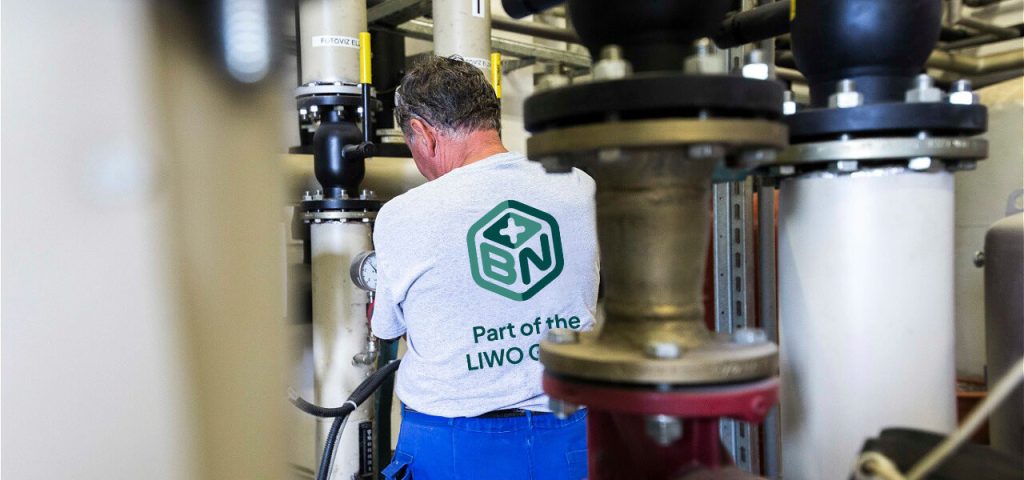
Preparations extend well beyond outdoor maintenance. B+N Hungary began assessing hospital heating systems several months ago, with technical teams inspecting equipment and carrying out trial heating runs to identify potential problems before the colder weather sets in.
These checks help ensure that heating operates effectively throughout each building, while allowing engineers to detect leaks, faulty components and other issues that could disrupt operations during the winter months.
Identifying Problems Before They Disrupt Patient Care
When inspections reveal faults requiring major repairs or refurbishment, B+N reports them to the relevant institution’s managing authority, which is responsible for authorising and commissioning the necessary work.
Heating in hospitals is subject to specific requirements. Under the temperature protocol established by Hungary’s Directorate General for Public Procurement and Supply (KEF), heating must be available in patient care areas before the start of the standard residential heating season.
This requirement reflects the importance of maintaining suitable indoor temperatures for patients and healthcare professionals, ensuring that medical services can continue without disruption.
Where existing heating systems cannot temporarily maintain the required temperatures, alternative solutions may be needed. B+N has therefore assessed the backup heating options available at each institution in advance, allowing teams to respond quickly if a failure occurs.
The aim is to minimise disruption and ensure that patients and healthcare staff are exposed to unsuitable temperatures for as little time as possible.
Ageing Infrastructure Remains One of the Biggest Challenges
One of the most significant challenges facing hospital facilities management teams is the age of the infrastructure they are responsible for maintaining.
Many healthcare institutions in Hungary still rely on heating and cooling systems installed several decades ago. At some sites, equipment has been in operation for more than 50 years.
Keeping these systems running safely and reliably requires constant monitoring, regular inspections and the ability to respond quickly when problems arise. In some cases, more extensive upgrades will ultimately be needed to ensure long-term reliability.
B+N emphasises that maintaining hospital infrastructure is an ongoing responsibility, not a task limited to annual servicing. Its technical teams work continuously through prioritised lists of identified faults, addressing the most urgent issues first.
However, problems that have developed over several decades cannot always be resolved in a single season. This makes contingency planning just as important as preventive maintenance, particularly where temporary solutions may be needed to keep essential services running.
A Nationwide Workforce Backed by 24/7 Technical Support
Supporting hundreds of healthcare facilities through winter requires considerable operational capacity.
B+N Hungary employs more than 7,000 people involved in the day-to-day operation of healthcare institutions, including approximately 2,000 technical facilities management specialists.
The company provides on-site facilities supervision at 134 healthcare institutions, while its services currently cover a total of 311 active healthcare sites across Hungary.
During periods of extreme weather, these resources can be reinforced by subcontracting partners, who provide additional personnel and specialist equipment, including snowploughs and gritting vehicles.
By coordinating its own teams with external partners, B+N can mobilise additional resources and direct them to the locations where they are needed most, helping maintain essential services even under challenging conditions.
A central part of this approach is the company’s 24-hour technical on-call service. Throughout the winter, specialists remain available to respond to faults and emergencies, bringing in subcontractors where necessary.
This nationwide support structure is designed to ensure that technical issues can be assessed quickly and that the appropriate personnel, equipment and resources are deployed with minimal delay.
What Happens If a Hospital’s Heating Fails?
Despite extensive preparation, unexpected technical failures remain a possibility, particularly in buildings with ageing infrastructure.
If a hospital’s main heating system becomes temporarily unavailable or cannot maintain adequate temperatures, B+N can arrange alternative heating solutions suited to the building’s technical requirements.
Depending on the circumstances, these may include temporary containerised boiler systems, oil-filled radiators or electric heaters.
Prevention, Preparation and Rapid Response
Preparing more than 300 healthcare sites for winter is a complex operation that brings together technical expertise, logistics, workforce planning and emergency response.
For B+N Hungary, the key lies in coordinating these activities well before the cold weather arrives. Preventive inspections help identify vulnerabilities, advance stockpiling ensures essential materials are available, and a nationwide network of specialists provides the capacity to respond when unexpected problems arise.
The ultimate objective is straightforward: to manage weather-related and technical challenges in the background, allowing healthcare professionals to focus on delivering patient care.
Yet the real measure of successful winter facilities management is not simply how quickly an emergency can be resolved. It is also how effectively the risks associated with ageing infrastructure can be anticipated and managed.
Even the most comprehensive preparations cannot eliminate the risk of failure in systems that have been operating for up to 50 years. Regular maintenance, close technical monitoring and rapid fault resolution therefore remain essential.
In the longer term, however, modernising ageing building systems will be crucial to delivering safer, more reliable and more resilient healthcare facilities.